

It is with great sadness these days that I’m unable to use onions as freely as I have in the past; almost without thinking, one member of the onion family or another would find itself in whatever I may be cooking at the time, but sadly now, if I were to continue using them with such gay abandon, my wife would really know about it. She has become almost allergic to them. Not something I’d ever come across, I must admit, but it really doubles her up in pain if she happens to swallow a piece of any onion, with the exception of garlic, that is.
Family medical problems aside, to cook without onions is like trying to cook with one hand tied behind your back – a tad difficult! The onion is one of those ingredients, a bit like the egg; it’s to be found in every kitchen around the world, in every cuisine and culture, its origins almost lost in the mists of time. Be it nasi goreng from Indonesia, salsa in Mexico, onion soup in France or liver and onions here, they are quite definitely universal.
The onion has always had a prominent place in the British diet, and much of what we eat would be extremely lacklustre without them. From the simple shepherd’s pie, Lancashire hotpot or sage and onion stuffing, none of them would be the same without them.
To ‘know your onions’ is to know about your subject and also implies that knowing your onions is a difficult subject, and while there are a lot of them to know about, growing them is relatively straightforward; the trick is to encourage them to swell until they can swell no more, and a combination of rich, well-drained soil, thinning and keeping them weed-free will pretty well do this.
We know where most of our foods have come from or how they have evolved over the years but the onion is a bit of a mystery. Onions as we know them today do not exist in the wild. Yes, there are various members of the onion family out there in uncultivated areas, such as wild garlic and even the wild leek, but not the bulb onion! So where did it come from?
As with most of our foods, it is thought to have originated in Central Asia, and we know they were cultivated by the Egyptians some 3500 years ago. As with many other food crops, it is even said that the builders of the ancient pyramids were partly paid in onions; couple that with the salt they were also reputedly paid in, and already there’s the beginning of a meal.
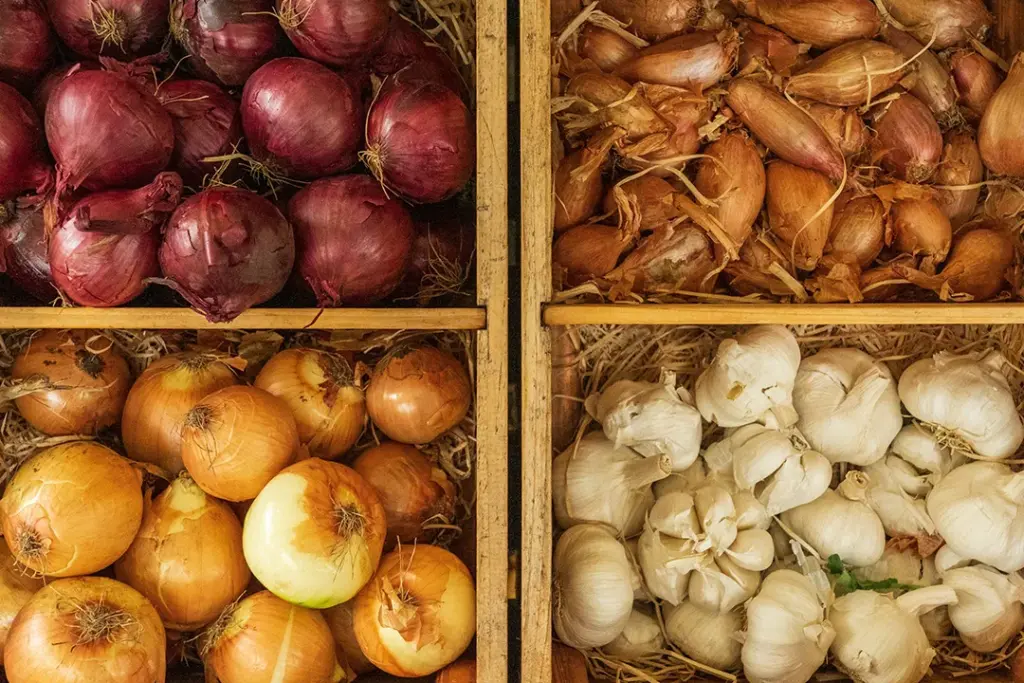
Of course, onions are not just onions; there is far more to them than that. There are the normal everyday strings of over-the-handlebars ordinary sorts of onions we all know and love and many more. Red onions, of course, have become so popular these days that they seem to turn up in everything and are becoming a prerequisite garnishing commodity in pubs and wannabe restaurants up and down the country next to the ubiquitous slice of orange and scattering of mustard cress. It’s sad, really, when a commodity becomes a fashion accessory like the red onion has, for then it’s no longer taken seriously. Once so loved for its mild sweet flavour and its vibrant colour, it is particularly good when raw, only lightly cooked or slightly charred. Great for roasting or chargrilling and is a great favourite in the Mediterranean.
There’s the shallot, much loved by the chef and serious cook for its flavour, which is more refined than the onion, is sweeter and less harsh yet probably a little more intense. These range from small, round, purple-tinted ones through various sizes and configurations to the banana shallot, a long, thin, quite loose shallot with a subtly different taste. Here in the west (of the world that is not England!), we are warned not to brown a shallot because of the bitter taste they can produce, while in Asia it is exactly that bitterness that they are seeking to create.
Shallots have long been a favourite of the French while never really seeming to catch on in such a big way over here, where, like leeks, we like our onions big. True, Tennyson wrote of the ‘Lady of Shallot’, and in Britain we have used it since the Middle Ages, but still, apart from chefs, they are little used. Spanish onions, those large, firm, juicy, almost football-like onions that really are incredibly sweet with very little bitterness to them at all. Spring onions, or scallions, as they are also known, depending upon your origins, are fantastic when used in oriental dishes but equally good in the Irish potato classic champ. They grill well but take very little cooking and are more often used in salads in this country.
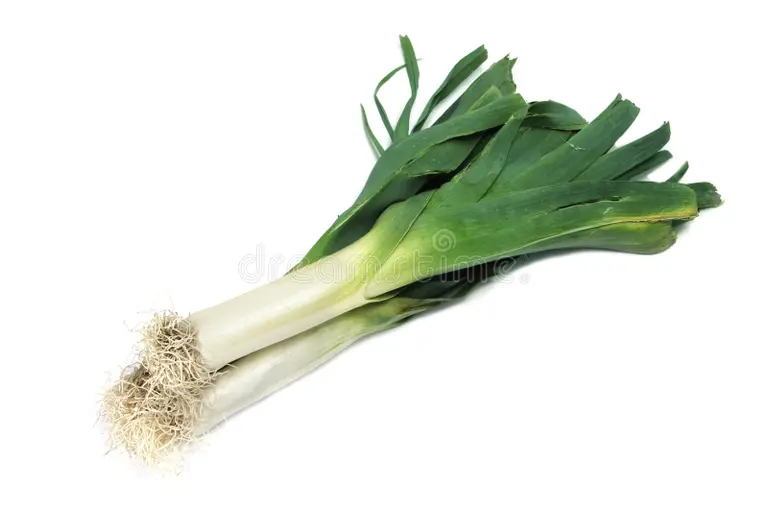
The leek, of course, is of the onion genus Allium that also includes garlic and chives, all staples of any good kitchen in every country. 20 years ago I remember going round to friends for Sunday lunch and then, to aid digestion, wandering through their rambling garden afterwards. While we were in her vegetable garden, she decided that just then was the time to thin out her rows of leeks, and it was as a result of me suggesting that I take these thinnings and use them in my kitchen that she eventually ended up with four 120-foot-long poly tunnels in which she grew all manner of unusual and baby vegetables to sell to restaurants across 4 counties, found herself being talked about in reverential tones by chefs across half the country, being written about in all manner of publications and even featuring on TV, and all because of a few leek thinnings. It’s a funny old world!
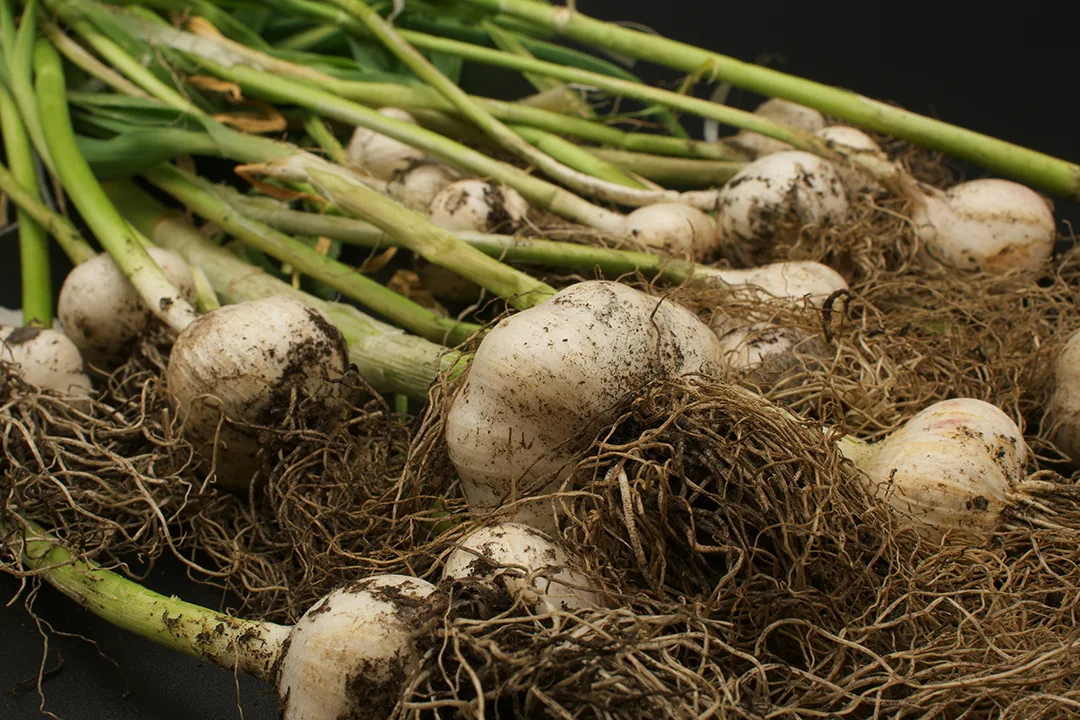
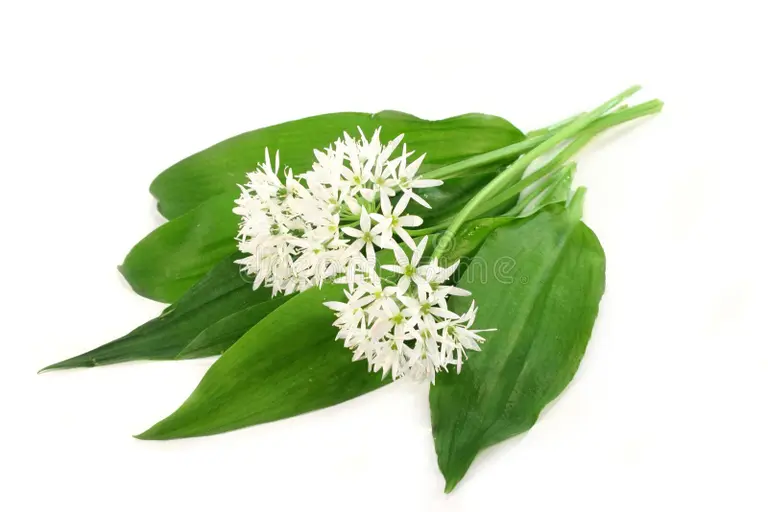
If we can’t live or cook without onions, what about garlic? It finds its way into so many dishes. I recall a lady we had in the restaurant one night who, having looked at the menu, said, ‘Sorry, I should probably have told you earlier, but I’m allergic to garlic.’ On that menu that day, other than the desserts, every dish had the influence of garlic in it, be it slight in some cases or heavy in others. Given that we changed the menu on a daily basis, I really had nothing available, other than a selection of desserts, that she could actually eat, not even one ice cream. And at least one sorbet we had in the freezer contained garlic. There are many ingredients. I look forward to using, as the year progresses, forced English rhubarb at the beginning of the year and ending with things like red cabbage, parsnips, chestnuts, woodcock, and indeed all game in the last few months, but come the spring, we are looking for asparagus; look out also for fresh wet garlic, also known as green garlic. This adds an intriguing spike of flavour without being overpowering. Milder and lighter than fully fledged garlic cloves, green garlic has a nutty-oniony flavour, without the typical spiciness of mature garlic. Around the same time, perhaps a little earlier, look out too for wild garlic and wild leeks, both wild relatives of the onion family.
There are white onions, their skins absolutely pearly white compared to the standard onion and more tangy than the yellow varieties, and pearl or silverskin onions, also pearly white but much smaller while also being sweet and quite mild. There are onions that even I had never heard of, such as the red-skinned Bermuda, the flat-looking Carzalia or the Borettana.
While we tend to think of onions as being encased in a brittle, dried brown shell, a newly dug onion can have the juicy freshness of an apple, and while they store well and for long periods, they do dry out and lose a lot of their flavour the longer they are kept.
All these onions, in one shape or another, have one thing in common: the ability to turn every one of us into a snivelling wreck within seconds. Onions contain a volatile oil with sulphur-containing compounds such as allicin and alliin; it is these that are the cause of red eyes and tear-stained cheeks in kitchens everywhere. But how to avoid these uncontrollable fits of crying and (especially if you’re a man in a professional kitchen) preserve your macho self-control. There have been many suggestions from many different cooks: try putting them in the freezer for a while before peeling them, peel them under cold water, or soak them in water for 30 minutes before peeling. Blanch them briefly, hold a piece of dry bread in your mouth while peeling or chopping them, or just try breathing through your mouth rather than your nose, but for me the one that comes the closest to working (this coming from someone whose cheeks are normally drenched when within a few feet of someone peeling onions) is to make sure you are using a really sharp knife. It is the juices containing these volatile oils spraying up into your eyes while peeling or chopping that causes the problem; therefore, logic dictates that if the knife you are using is blunt, it will crush and bruise before cutting, thereby sending more spray towards you. Using a sharp knife will ensure a clean, crisp cut, lessening this spray. It does not work one hundred per cent, but neither do the other methods; however, it will and does cut the amount of spray down – you still end up crying though! This obvious side effect aside, the onion is renowned for its medicinal qualities; they are said to be diuretic, antibiotic, anti-inflammatory, analgesic, expectorant and antirheumatic. Onions are also used as cures for colds, flu and coughs and are said, like garlic, to offset tendencies towards angina and heart attacks. They are also said to have aphrodisiac properties and to stimulate hair growth. So if you’re a balding, stiff-jointed, wheezing old man currently suffering from a cold with a history of heart trouble and have just run out of your Viagra prescription, then sitting chomping on an onion tonight while watching the telly could do you the world of good!
Chef Ian McAndrew’s specialist eBooks and guides are available directly on ChefYesChef, including his technical titles and autobiography. If you want more practical, chef-led reading beyond this article, you’ll find the full collection here.
Chef Ian McAndrew works with chefs, businesses, and individuals on a wide range of culinary projects, from concept development to practical problem-solving.
If you’d like to talk through an idea or need informed guidance, you’re welcome to contact him.