

“Halal” is an Arabic word that translates to “permissible or allowed” in English. The term is often associated with Islamic dietary laws, particularly meat that is slaughtered according to religious guidelines. It also governs ethical practices beyond that, such as in business, finance and daily living, as well as far broader considerations such as fairness, social justice and the treatment of animals, but it is particularly the slaughter of animals for meat that I am discussing here. There seems to be a lot of talk recently about halal meat, its availability and overuse. Its labelling and profile, and possibly more importantly, the ethics of it. Questions are being asked: is it right? Do we really know what we are eating? Is all halal meat labelled as such?
There seems to be a lot of talk recently about halal meat, its availability and overuse. Its labelling and profile, and possibly more importantly, the ethics of it. Questions are being asked: is it right? Do we really know what we are eating? Is all halal meat labelled as such?
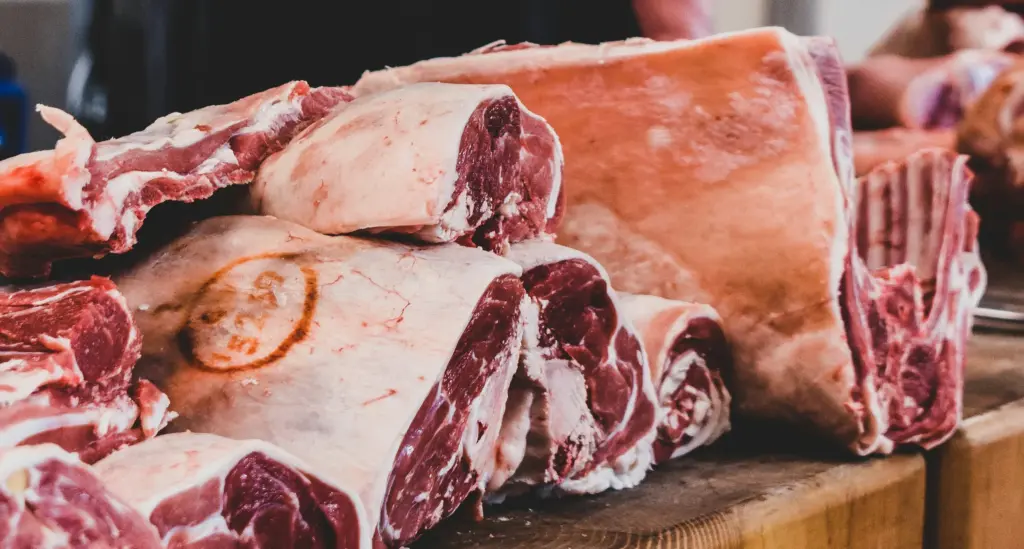
As surprising as it may be to some, Muslims believe in what they see as the ethical treatment of animals, with Halal practices aligning with its philosophy of promoting kindness, compassion and humane treatment throughout the entire lifecycle of the animal. They also place an emphasis on swift, painless slaughter to minimise suffering and maximise dignity.
Halal meat, therefore, must come from a supplier that uses halal practices, excluding fish and other sea life as prescribed by Islamic law.
Their method of slaughter involves using a sharp knife to make an incision that cuts the front of the throat, oesophagus and jugular veins but not the spinal cord. The animal’s head must be aligned in the direction a Muslim faces when praying; additionally, the animal should have the Islamic prayer “Bismillah, Allahu Akbar” (In the name of God, God is greatest) cited over it. The slaughter must also be performed by a Muslim.
Only animals killed this way can be considered as food; if they have died in any other way, such as in the wild, strangled, beaten to death, killed by a fall or gored to death, savaged by another prey animal or sacrificed on a stone altar, they cannot be eaten.
Interestingly though, animals slaughtered by “People of the Book” (Jews and Christians) can also be considered halal, but only if their death came about by the slicing of the jugular, the blood was drained and the name of Allah was invoked. This anomaly means that kosher meat is permitted by some and is sometimes substituted for halal.
Jewish religious law (Shechita) prohibits any form of pre-stunning. The debate over “non-stun” slaughter also involves multiple religious communities, not just Muslims as many think.
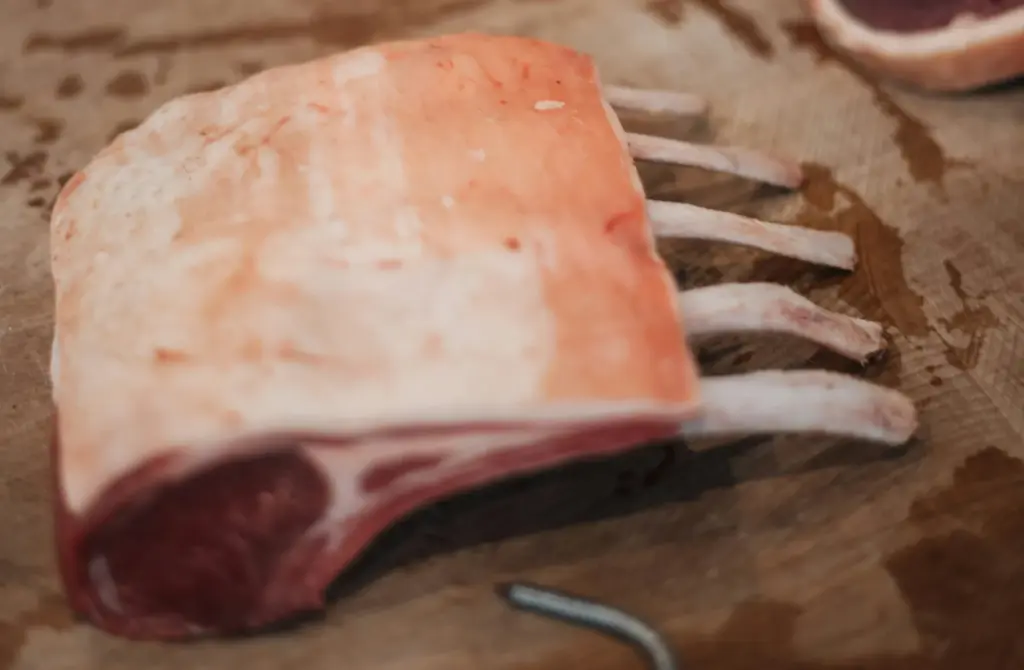
Stunning the animal prior to killing is only permitted if it is deemed necessary to calm a violent animal down. Hardline, devout Muslims, however, do not agree; they see any animal as having been rendered even only semi-unconscious of its surroundings as non-halal.
So what are your thoughts on halal slaughter or on non-stun slaughter? Is it right? Should it be allowed? It seems that many of our schools, universities and hospitals are now using only halal meat, and we are not told; it’s a decision made on our behalf to appease others.
The FSA (Food Standards Agency) reports that approximately 88% of chickens, 81% of sheep, and 84% of cattle slaughtered for halal meat in the UK are stunned before slaughter, using methods like electric water baths for poultry or reversible stunning for larger animals. The HFA (Halal Food Authority) permits controlled electric stunning, provided it doesn’t kill the animal, but prohibits captive bolt or percussion stunning. Conversely, some HCBs, like the HMC (Halal Monitoring Committee), certify only non-stunned meat, aligning with more conservative interpretations of Islamic law.
It’s fair to say that pre-stunning is universal: Critically, unlike some UK-based non-stun slaughter, New Zealand uses reversible electrical stunning for almost all its halal production. This allows them to meet both animal welfare standards and halal requirements.
This divide fuels controversy. Animal welfare groups, like the RSPCA, argue that non-stun slaughter causes unnecessary suffering, citing delays in unconsciousness (up to two minutes in cattle). Meanwhile, Muslim scholars emphasise that proper Dhabihah, when performed correctly, is humane, with the swift cut minimising pain. The FSA addresses this by requiring slaughterhouses to be approved, ensuring restraining pens for cattle, sheep, and goats are FSA-checked to reduce stress, and mandating that non-stun slaughter is performed by trained Muslim slaughtermen with a certificate of competence.
I was amazed to learn that a large percentage of New Zealand lamb imported to the UK is halal. Approximately 70% of New Zealand lamb sold in Britain comes from halal slaughterhouses, and almost all of New Zealand’s red meat exported is from premises that are certified for halal slaughter.
Indeed, many of the slaughterhouses in the UK are also certified for halal too; the area for halal must be separated from the rest of the premises, but yes, most UK slaughterhouses operate both methods. Halal certification is a major economic driver for many, as the UK exports significant amounts of halal meat to Muslim-majority nations, which in turn supports the British farming economy.
But I ask, is this acceptable? Are we in this country happy to accept double standards like this? We are, after all, known for our stance on animal welfare. Why should this break down in our own country because someone else’s religion does not agree? I also ask, how many of the meat-eating native population of Britain know what is happening and what they are buying, and possibly more importantly, do they care?
Clear labelling is another critical issue. The FSA estimates 15% of UK meat is halal-compliant, yet much of it enters the mainstream food chain without specific labelling, raising concerns for both Muslim and non-Muslim consumers. For Muslims, the risk of consuming non-halal meat due to mislabelling or cross-contamination is a significant worry, especially after high-profile scandals like the 2013 horsemeat crisis, which uncovered porcine DNA in some “halal” products.
The FSA advocates for accurate labelling but does not mandate that “halal” be labelled as such, leaving it to retailers and HCBs. This has led to calls from Jewish and Muslim leaders for comprehensive labelling, indicating whether meat is stunned or non-stunned and the slaughter method used. Surely as a minimum that is fair? The FSA’s 2024 figures highlight the scale: 30.1 million animals, mostly chickens, are slaughtered without pre-stunning annually, with some meat exported or rejected as non-halal, potentially entering unlabelled supply chains. To address this, the FSA works with local authorities to monitor compliance and investigate fraud, as seen in a 2024 BBC investigation exposing businesses like Nadeem Halal Meat & Grocery displaying false hygiene ratings. But it also means that the next time you buy meat from your favourite supermarket, it could well be halal, and you will not know. Do you know if your children are being given halal at school? Are you being served halal while in hospital? How do we know?
As a high percentage of the lamb we eat in the UK is coming in from New Zealand, where reversible stunning is the norm but is not labelled as such, yet it is compulsory to label it as being of NZ origin. Given this, why should it not also be compulsive to label it as halal too?
At least the debate is now happening here in Britain; it is being brought up in Parliament, although many would say we shouldn’t even be debating this. It shouldn’t have ever happened. Pushing this halal meat nonsense onto Christians. And surely it is illegal how these animals are slaughtered. Shouldn’t the RSPCA, the accepted protector of animals and their rights here in Britain, be bringing criminal charges against this Muslim religious practice?
Interestingly, while we are debating this in Britain, the same debate has also started in France, Germany, and the Netherlands, where ritual slaughter practices are hotly contested. UK policy shifts could trigger ripples across export markets and global trade, especially with Muslim-majority nations where halal certification is essential, adding economic stakes to the ethical and political turmoil.
The debate is essential; we all need to know and understand where our food is coming from. Not only that, but we all ought to care too!
Get in touch, let us know your thoughts on this emotive subject, and contact us here.