
Of all the great French chefs from the 1970s through the 1990s and beyond that have influenced so many chefs around the globe, I have to confess that Roger Vergé is one of my all-time favourites. Like so many chefs before and after me, I grew up and learnt a lot of my craft from masters like Roger Vergé; this was one of the earlier books I bought and loved, with the main one being Ma Cuisine du Soleil, or Cuisine of the Sun, as it was in the English version. He was truly inspirational and contemporary; his cooking style was based around fresh, local ingredients, very different from traditional classical French cuisine. A free-flowing, cleaner, vibrant cooking style that really appealed to me. Born 7 April 1930 in Commentry, which is a commune in the department of Allier in central France, his father was a blacksmith, coincidentally the same profession as Escoffier’s father!
He said he was inspired to learn cooking from his Tante (aunt) Célestine, to whom he dedicated many of his books. His cuisine, which in his words he called “cuisine heureuse”, “married natural products with one another by finding simple harmonies and enhancing the flavour of each ingredient by contact with another that had a complementary flavour”. An ethos I myself worked towards in every dish I produced across the years. “A recipe is not meant to be followed exactly – it is a canvas on which you can embroider. Improvise and invent.” These could easily be words that I coined myself had he not beaten me to it, having written them down first in his book in 1978. He also said, “It is a light-hearted, healthy and natural way of cooking which combines the products of the earth like a bouquet of wildflowers from the garden.” Words that could easily be spoken today by any of our current high-flying chefs.
He used vegetables to great effect, such as in his Salade Mikado, his Omelette Arlequin and his Blanc de Saint-Pierre à la crème de Petits Légumes, the inspiration for my Fillet of Salmon on a bed of Spring Vegetables on the cover of my first book, A Feast of Fish, and a dish so many more of my own were based on over the years, another being my Dublin Bay Prawns Poached with Cucumber in the same book, based around his Nage of Freshwater Crayfish Tails with Beurre Blanc.
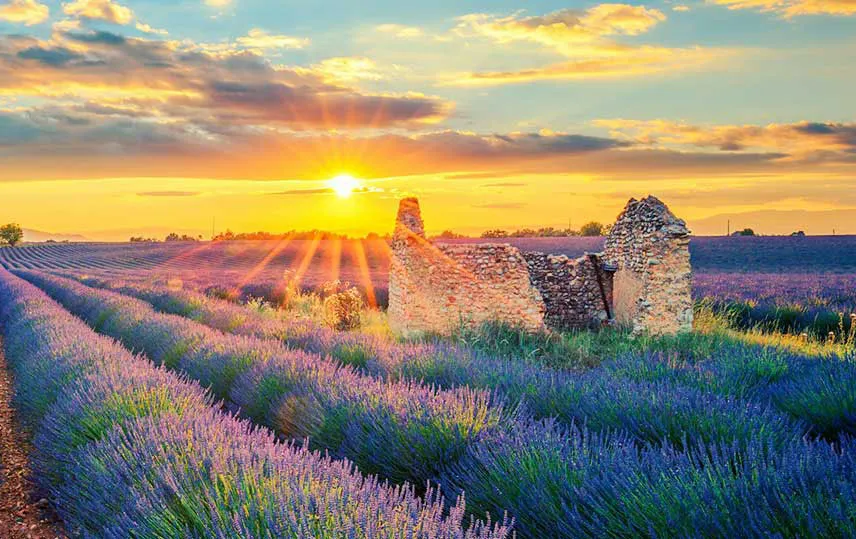
While he undoubtedly used both butter and cream fairly lavishly across his dishes, he also very liberally used olive oil too, and while he was a leading figure of nouvelle cuisine, his cuisine would be better described as Provençal cuisine. He was committed to food being light and more healthy, with no more heavy sauces of the classics and vegetables cooked quickly and with a light touch, focusing on olive oil, vegetables, herbs, citrus, and seafood. The fish was barely cooked, the vegetables retained texture, and acidity was used with intention. Cooking times shortened, sauces lighter, leaving the food feeling brighter and more alive, better reflecting the Mediterranean landscape.
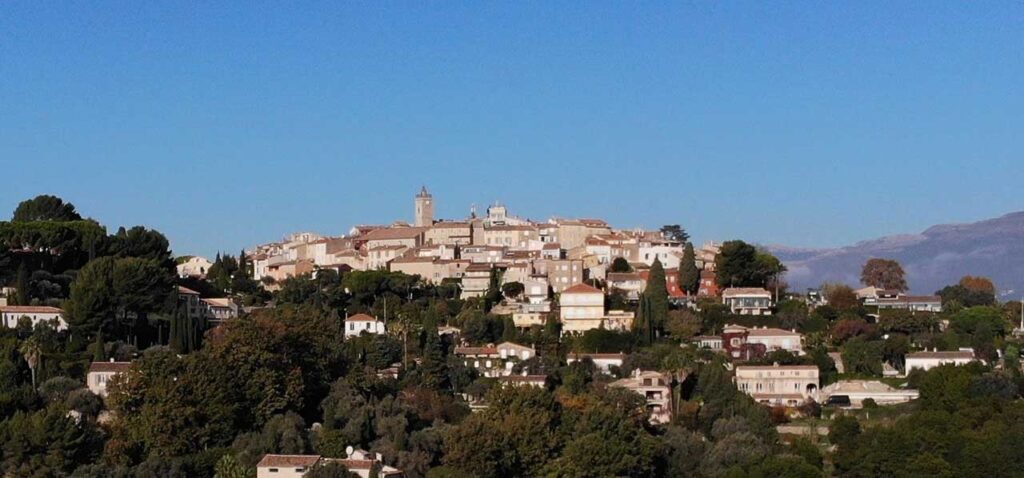
In the 1960s, Vergé took over Le Moulin de Mougins, a former olive mill near Cannes, where he earned three Michelin stars, becoming a destination restaurant, attracting chefs, writers, and diners from around the world. Yet Vergé remained committed to approachability and pleasure. His cooking was refined but never austere, generous rather than intellectual. He believed that food should make people happy before it impressed them.
He was also an influential teacher and mentor. Many chefs passed through his kitchens or trained under his philosophy, including Alain Ducasse, who would go on to become, and still is, one of the most important figures in global fine dining. The influence of Roger Vergé travelled widely through his protégés, shaping restaurant kitchens far beyond Provence. One of those chefs was our own Shaun Smith Roberts of Chef Yes Chef. Yes, Shaun spent time there and claims, “The best meal I ever ate was at Moulin de Mougin. I still remember the mountain lamb with almond crust and garrigue herbs; I can still taste it some 38 years later.”
Roger Vergé passed away in 2015 at the age of 85. His influence endures in the way chefs cook with olive oil, treat vegetables as central rather than secondary, and allow ingredients to speak clearly. He helped move French cuisine toward the light, literally and philosophically, and in doing so, changed its future.
Chef Ian McAndrew’s specialist eBooks and guides are available directly on ChefYesChef, including his technical titles and autobiography. If you want more practical, chef-led reading beyond this article, you’ll find the full collection here.
Chef Ian McAndrew works with chefs, businesses, and individuals on a wide range of culinary projects, from concept development to practical problem-solving.
If you’d like to talk through an idea or need informed guidance, you’re welcome to contact him.