
You can tell a lot about a kitchen by how it treats expensive ingredients.
At The Dorchester, we treated them with the utmost respect, punctuated by the occasional act of complete stupidity. One of the best examples involved a young commis, a box of black truffles and poor Anton Mosimann walking into the larder at precisely the wrong moment.
Depending on your sense of humour, it might have been the right moment.
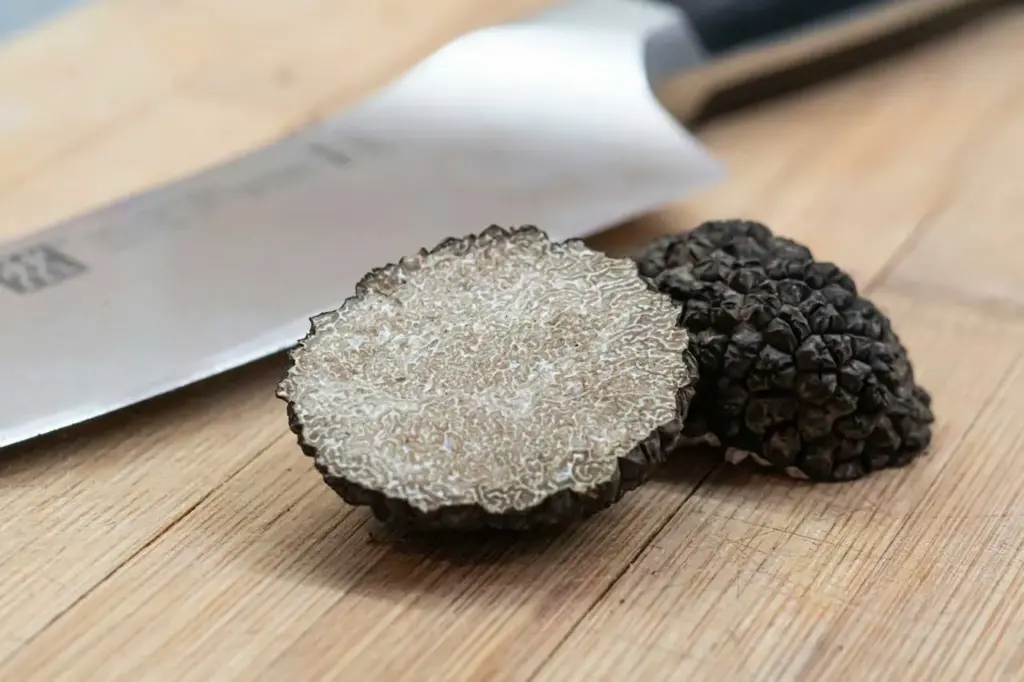
In those days we had a specialist French supplier who drove produce straight from Rungis market in Paris to the hotel. Proper stuff. He would arrive with crates of vegetables, beautiful fruit, lobes of foie gras, and now and again, a box of fresh black truffles.
Most of the lads in the larder had never seen fresh truffle up close before. Remember, this was before every high street gastropub was shaving it over chips.
On this particular morning, the box is open at one end of a long larder table, about five meters or so. Lovely heady aroma coming off it, that unmistakable earthy, slightly boozy perfume that gets into your clothes and follows you home.
Enter Peter.
Peter was one of my commis. a good lad, keen, not always blessed with an excess of common sense.
He wanders over, peers into the box and picks up a truffle. Not a little marble either, a big one. About 100 g, which in those days was comfortably a week’s wages sitting there in his hand.
He strolls down the length of the table, sniffing it, admiring it, the way you do when you’re young and everything is new and exciting and you haven’t yet realised how quickly things go wrong in a kitchen.
Then, for reasons known only to himself, he decides he’s finished inspecting it and will return it to the box.
Does he walk it back? Of course not.
He gently lobs it.
At that exact moment, the side door by the truffle box opens, and in walks Mosimann.
Time slowed down. The entire larder went silent. All eyes on this very expensive black truffle sailing through the air in a perfect arc, straight past one of the most famous chefs in Britain.
By some miracle it lands squarely in the box. No bounce, no roll, no smash. Just a soft little thud in the sawdust.
Anton looks at the box. Looks down the table at Peter. You could feel thirty chefs holding their breath.
There’s a tiny nod and a couple of his trademark tuts, and he walks out again without a word.
Peter, it’s fair to say, never made it onto Anton’s Christmas card list. But he did learn a lasting lesson about respecting ingredients.
Looking back, that daft little episode sums up a lot about hotel kitchens at the time.
You had ingredients that most people only read about, turning up in battered wooden crates from France. You had young chefs on low wages suddenly responsible for things that cost more per kilo than their weekly pay packet. You had enormous pressure, high standards and absolutely no room for passengers.
And in the middle of it all, you had human beings. Tired, nervous, occasionally idiotic, trying their best to keep up and learn without getting shouted at. Or worse, fired.
Kitchens are full of those knife-edge moments. One second you’re calmly doing your job, the next you’re watching your career sail across the room in the shape of a very expensive fungus.
Most of the time you get away with it by sheer luck. The important bit is what you learn afterwards.
That flying truffle was just one tiny scene in a working life that took me from a school cookery class I only chose to avoid metalwork, all the way through big hotel brigades, country house kitchens, my own Michelin-starred restaurant, and beyond.
There were other close calls, plenty of mistakes, a few miracles, and the odd bollocking that still rings in my ears if I think about it long enough.
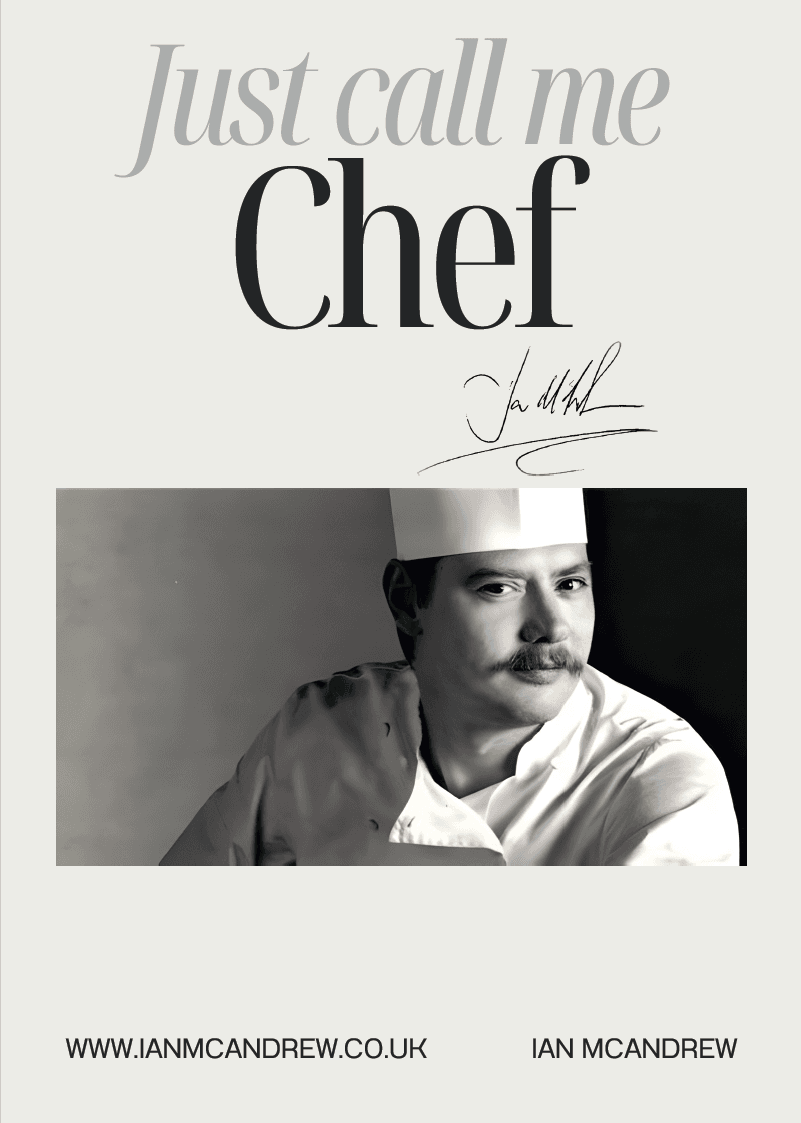
I wrote my autobiography, Just Call Me Chef, to try to capture some of those moments before they were lost. Not the neatly edited, food-styled version, but the real thing: the burns, the pressure, the ridiculous laughs you have with the team at two in the morning when you’re all half dead on your feet.
If you’ve ever:
…then you’ll probably recognise bits of yourself in there.
This truffle story is one of many in the book. If you fancy reading the rest – from school cookery and “bloody knitting” to Michelin stars and flying fungi – you can find it here:
👉 Just Call Me Chef – my autobiography:
https://chefyeschef.co.uk/item/ians-autobiography/
Chef Ian McAndrew’s specialist eBooks and guides are available directly on ChefYesChef, including his technical titles and autobiography. If you want more practical, chef-led reading beyond this article, you’ll find the full collection here.
Chef Ian McAndrew works with chefs, businesses, and individuals on a wide range of culinary projects, from concept development to practical problem-solving.
If you’d like to talk through an idea or need informed guidance, you’re welcome to contact him.