
Every chef knows the moment.
Service starts well enough. The first few order checks come through cleanly. Plates look right. The room feels calm. Then, somewhere between the second push and the first delay, control starts to slip.
Not dramatically. Just enough.
A waiter leans into a section asking where a dish is. Someone puts something on early “just to get ahead”. A plate goes out that isn’t quite right because stopping it would slow things down. A promise gets made to the dining room that the kitchen never agreed to.
From that point on, you’re no longer running service. You’re reacting to it.
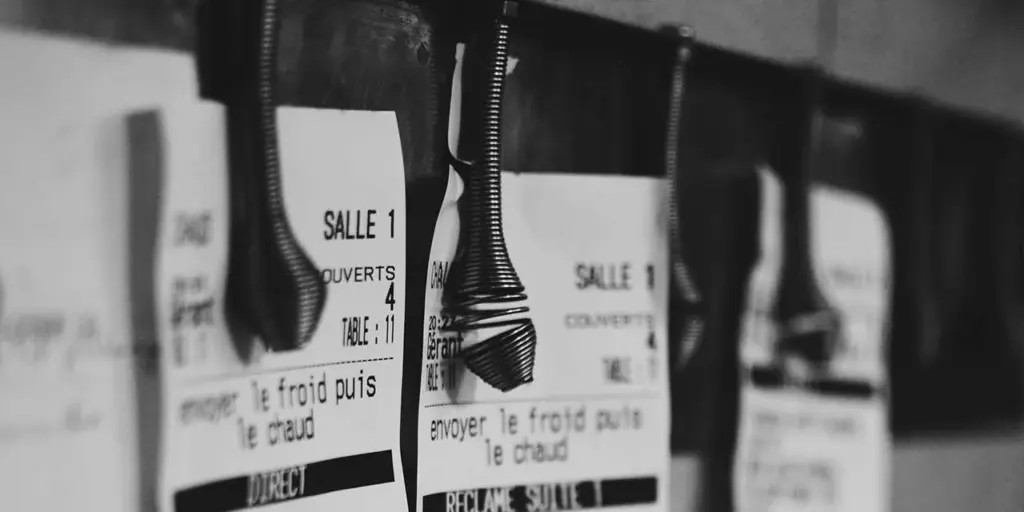
Most kitchens don’t lose service because chefs can’t cook or teams can’t talk. They lose it because authority at the pass becomes unclear once pressure builds.
Who decides what goes next?
Who controls pace?
Who is allowed to answer front of house (FOH) questions?
Who can stop a plate leaving the kitchen?
When those answers aren’t locked down in advance, service becomes negotiable. And once negotiation creeps in, everything slows down.
You see the symptoms immediately:
By the time the room feels it, the kitchen is already firefighting.
The instinctive response is always the same. Move faster. Talk louder. Force the pace.
But pace without control doesn’t fix service. It makes the damage worse.
Starting dishes early without a single decision point creates overlap.
More talking without authority creates noise.
Letting FOH chase sections directly pushes pressure into the wrong places.
Good chefs know this. They’ve felt it in their bones. The problem is that most kitchens rely on experience and personality to hold things together, rather than a clear, enforceable structure.
That works until it doesn’t. Usually on the busiest night of the week.
In well-run kitchens, the service pass isn’t just where plates land. It’s where decisions are made.
When the pass functions properly:
This isn’t theory. It’s what experienced chefs do instinctively when things are going well. The problem is that instinct doesn’t scale, and it doesn’t survive staff changes, busy seasons, or rough nights.
Most SOPs don’t help here. They’re either vague, idealised, or written like training notes.
Service control needs something different:
a formal, enforceable Standard Operating Procedure that defines authority, routing, pace, and escalation under pressure.
That’s exactly why Service Pass Control – A Professional SOP for Kitchens Under Pressure exists.
It isn’t about teaching people how to cook or communicate better. It formalises how service is controlled when things are busy, noisy, and time-critical. It names the failures chefs recognise and locks down the behaviours that prevent them.
The document includes:
It’s written for chefs who already run kitchens and are tired of relying on goodwill and improvisation to survive service.
Good control doesn’t make service rigid. It makes it calmer.
When authority is clear, decisions are faster.
When routing is controlled, pressure drops.
When pace is deliberate, quality holds.
If you’ve ever finished a busy service knowing the food was good but the process was fragile, this will feel familiar.
You can read more about the SOP and download it here:
👉 Service Pass Control – A Professional SOP for Kitchens Under Pressure
It won’t make service easy.
But it will make it controllable.
And in a busy restaurant, that’s the difference between coping and actually running the room.
Chef Ian McAndrew’s specialist eBooks and guides are available directly on ChefYesChef, including his technical titles and autobiography. If you want more practical, chef-led reading beyond this article, you’ll find the full collection here.
Chef Ian McAndrew works with chefs, businesses, and individuals on a wide range of culinary projects, from concept development to practical problem-solving.
If you’d like to talk through an idea or need informed guidance, you’re welcome to contact him.